
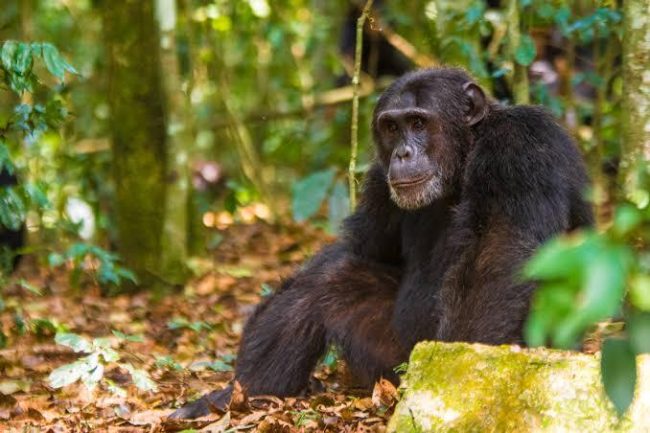
Chimpanzee tracking in Kibale is one of Uganda’s most exciting wildlife experiences. It takes visitors into a tropical rainforest where wild chimpanzees climb trees, search for food, communicate through loud calls, and interact with members of their communities. Unlike watching wildlife from a safari vehicle, chimpanzee trekking allows visitors to explore the forest on foot with experienced guides and trackers.
Located in western Uganda, Kibale National Park attracts primate enthusiasts, photographers, researchers and travellers seeking close encounters with wildlife. The Park is particularly famous for its chimpanzees and rich primate diversity. Combining chimpanzee tracking with other activities in the region creates an excellent opportunity to discover Uganda’s forests, wetlands, birds and local communities.
What is chimpanzee tracking in Kibale?
Chimpanzee tracking involves walking through the forests with trained guides to locate habituated chimpanzee communities. Habituated chimpanzees have gradually become accustomed to the presence of people, allowing visitors to observe their natural behaviour under controlled conditions.
The adventure usually begins at the Kanyanchu Visitor Centre, where visitors receive a briefing from park staff. Guides explain the tracking rules, provide information about chimpanzee behaviour and lead participants into the forest. Trackers may use information about recent chimpanzee movements, feeding sites and vocalisations to help locate the animals.
Once visitors locate the chimpanzees, they spend time watching them feeding, grooming, playing, resting or moving between trees. Chimpanzees are highly intelligent primates with complex social relationships. Their loud calls, gestures, and interactions make each encounter different.
Kibale is especially rewarding because chimpanzees are not the only primates living in the forest. Visitors may also encounter red-tailed monkeys, black-and-white colobus monkeys, L’Hoest’s monkeys and grey-cheeked mangabeys, depending on the location and conditions.
Chimpanzee tracking permit.
The cost of chimpanzee tracking depends on the visitor’s nationality or residency category and the applicable Uganda Wildlife Authority tariff. Foreign non-residents pay USD 250 per person, foreign residents pay USD 200, and East Africans pay UGX 180,000. Travellers should confirm eligibility and availability before making payment.
The standard Kibale tracking fee includes the guide and park entrance for the tracking day. Accommodation, transport, meals outside the package, and additional activities may require separate payments.
Visitors can book through the Uganda Wildlife Authority or a reputable tour company. Booking is advisable, especially during busy travel periods because the number of participants permitted to track chimpanzees is limited.
How long does chimpanzee tracking take?
A chimpanzee tracking excursion generally takes between two and five hours, although the actual duration varies with the location and movement of the chimpanzees. Some groups may be found relatively quickly while others may require longer walks through thick vegetation.
The standard tracking experience includes a maximum of one hour observing the chimpanzees after the group locates them. This gives visitors time to appreciate their behaviour, take photographs and listen to their calls without causing unnecessary disturbances.
The forest terrain can make the walk physically demanding. Muddy paths, tree roots, uneven ground and elevation changes may slow the group. Visitors should therefore avoid scheduling tight onward transfers immediately after tracking.
Travellers interested in spending longer with chimpanzees can consider the chimpanzee habituation experience. This activity allows participants to accompany researchers and habituation teams as they observe chimpanzees being accustomed to human presence. It requires a separate permit and follows different arrangements from standard tracking.
Best time for tracking chimpanzees.
Chimpanzee tracking takes place throughout the year, but the weather conditions can influence the walking experience.
The relatively dry periods, particularly December to February and June to August, generally provide more comfortable conditions for forest walks. Trails may be easier to navigate, making these months attractive to visitors who prefer less muddy terrain.
The wetter months, especially March to May and September to November, bring heavier rainfall in many parts of western Uganda. Nevertheless, the forest becomes lush, and the green surroundings create beautiful opportunities for photography.
Interestingly, Uganda Wildlife Authority notes that the rainy season can also be favourable for chimpanzee tracking. During these periods, food may be more readily available in certain forest areas, potentially influencing where chimpanzees spend their time. Visitors should remember that sightings and trekking durations remain unpredictable.
The best time ultimately depends on your travel schedule, weather preferences, and wider safari plans. Regardless of the season, carry suitable hiking equipment and follow the guidance of your tracker.
What to pack for chimpanzee tracking?
Proper preparation makes chimpanzee tracking safer and more comfortable. Start with sturdy, waterproof hiking boots that provide a good grip on slippery ground. Long trousers and a long-sleeved shirt help protect your skin from scratches, insects, and vegetation.
A lightweight jacket is essential because rainfall can occur even during relatively dry months. Carry enough drinking water, some energy-giving snacks if permitted, and a small backpack for personal belongings.
Gardening gloves can protect your hands when moving through vegetation or using tree branches for balance. Insect repellent, sunscreen and a hat are also useful. If you plan to photograph the chimpanzees, bring a camera with a suitable zoom lens and fully charged batteries.
A walking stick can help with balance on steep or muddy trails. Visitors who prefer additional support can request a porter, subject to availability and applicable charges. Hiring a porter also provides an opportunity to support people living in communities near the park.
Avoid carrying unnecessary luggage because you will need to move comfortably through the forest.
Rules to follow during chimpanzee tracking.
Chimpanzees are vulnerable to human diseases, making responsible behaviour essential. Visitors should follow their guide’s instructions throughout the experience and maintain the required distance from the animals.
Never attempt to touch, feed, or chase a chimpanzee. Keep your voice low, avoid sudden movements, and do not litter in the forest. Visitors who feel unwell should inform park staff before joining the activity because respiratory infections and other illnesses can threaten primate populations.
Photography should never interfere with the animals’ movements or disturb their natural behaviour. Flash photography should be avoided, and visitors should not block the chimpanzees’ paths.
These precautions help protect the animals while allowing future generations to enjoy the same experience.
Other activities around Kibale National Park.
Chimpanzee tracking can form part of the broader western Uganda safari. One popular addition is the Bigodi wetland sanctuary, where guided walks offer opportunities to observe birds, monkeys, butterflies, and wetland vegetation. The sanctuary also provides insight into community-based conservation and local livelihoods.
Birdwatching is another rewarding activity because the region supports a wide variety of forest and wetland birds. Visitors can also explore nearby crater lakes, enjoy scenic drives around Fort Portal, or participate in cultural experiences with local communities.
Travellers with more time can combine Kibale with Queen Elizabeth National Park for savannah wildlife viewing and a boat cruise along the Kazinga Channel.
[…] Chimp tracking happens in Kibale Forest and starts at the reception center for visitors. However, do not look for the chimps before the short session where you get briefed by the park representatives. Once they offer you the most important dos and don’ts of tracking a habituated community of chimps start to track. Still inside the forest, find the chimps and watch them. This 1-hour experience allows you to see their behavior in the forest. […]
[…] morning chimpanzee trek is the best, especially when you have taken breakfast at the lodge. Meet the chimpanzees in the […]